


What and Where Is Pattaya City?
Friday, 23 January 2026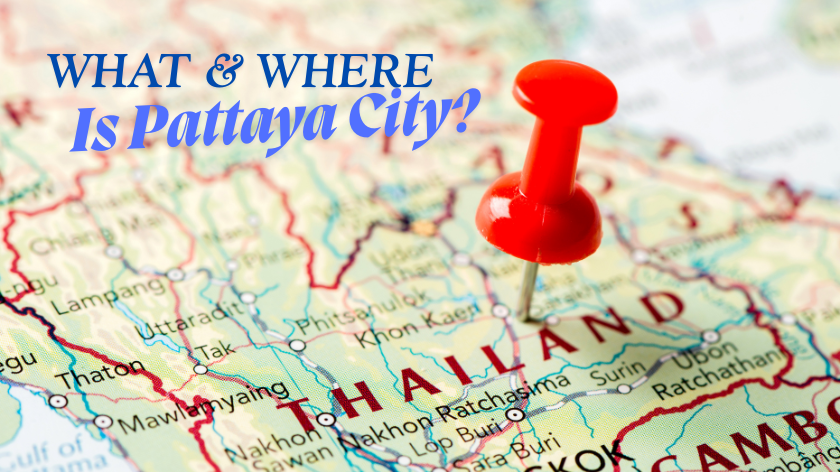
A City with a Reputation — and a Reality That Has Changed
Pattaya is one of Thailand’s most recognisable names, yet also one of its most misunderstood. For some, it is remembered as a short holiday stop from decades ago. For others, it is still viewed through a narrow lens shaped by headlines and hearsay.
The reality today is very different.
Modern Pattaya is a fully functioning coastal city — diverse, international, and continually evolving. To understand what Pattaya truly is now, it helps to start with a few of the questions people ask most often.
Quick Questions People Ask About Pattaya
Is Pattaya just a tourist resort?
No. While tourism remains important, Pattaya is also home to long-term residents, families, retirees, professionals, and business owners. It has residential districts, schools, hospitals, and commercial centres that operate year-round.
Is Pattaya only about nightlife?
That reputation comes from a specific period in the city’s past. Today, nightlife is just one small part of a much larger and more balanced urban landscape.
Is Pattaya suitable for families and retirees?
Yes. In fact, these groups now make up a significant portion of the population, drawn by international schools, healthcare, lifestyle amenities, and coastal living.
Why do people choose to live in Pattaya instead of Bangkok?
Many want space, sea air, shorter commutes, and a more relaxed pace of life — while still remaining close to the capital and major transport links.
From Quiet Fishing Village to the World Stage
Long before high-rise buildings and beachfront promenades, Pattaya was a quiet fishing village along the Gulf of Thailand. Life revolved around the sea, with small boats, local markets, and a close-knit community.
The city’s first major transformation came during the Vietnam War era in the 1960s and early 1970s. U.S. military personnel stationed in Thailand used U-Tapao International Airport as a strategic base, flying missions across the region. Pattaya, with its calm beaches and easy access, became a popular rest and recreation destination.
What began as a modest seaside escape soon gained international attention. Hotels appeared along the bay, infrastructure improved, and Pattaya quietly transitioned from village to resort town.
Rapid Growth and a Defining Era (1990s–2010s)
By the late 1990s and early 2000s, Pattaya had firmly established itself on the global tourism map. Visitor numbers surged, development accelerated, and the city became famous — and sometimes infamous — for its nightlife and entertainment districts.
This era shaped Pattaya’s international image for many years. However, while that image was forming, the city itself was already evolving beneath the surface.
Hospitals expanded and gained international accreditation. Roads improved. Residential developments moved inland. Shopping centres, marinas, and family attractions began to appear. Pattaya was no longer growing in just one direction — it was diversifying.
Where Pattaya Is — and Why Location Matters
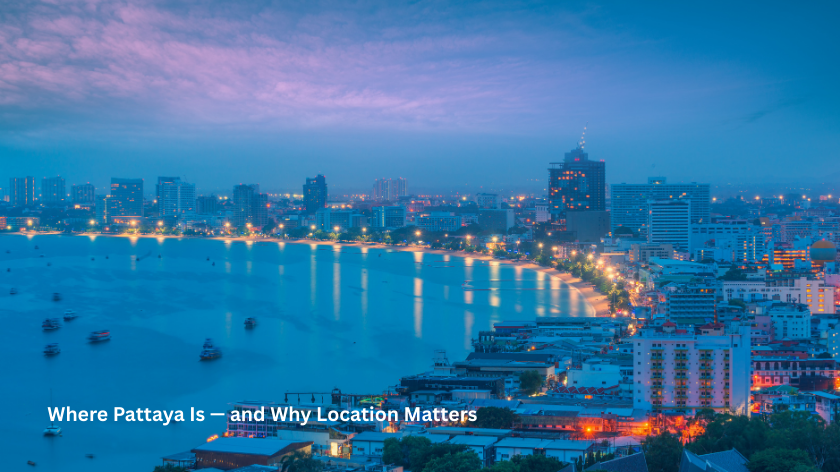
Pattaya is located in Chonburi Province on Thailand’s Eastern Seaboard, approximately 150 kilometres southeast of Bangkok.
Modern highways and motorways mean the journey between Bangkok and Pattaya typically takes around one hour. This proximity allows residents to enjoy coastal living while remaining closely connected to the capital’s business, transport, and international flight networks.
Just as importantly, Pattaya sits at the heart of Thailand’s most ambitious development initiative — the Eastern Economic Corridor (EEC). This long-term investment zone has brought infrastructure upgrades, international businesses, and skilled professionals to the wider region.
From Entertainment Hub to Lifestyle City
Over the past decade, Pattaya has undergone one of its most significant transformations yet. The city has expanded well beyond its original beachfront core, both physically and socially.
Areas that are now considered part of “Greater Pattaya” include:
-
East Pattaya, known for housing villages, international schools, golf courses, and family communities
-
Huay Yai, offering lower-density living with modern developments and convenient motorway access
-
Bang Saray, a coastal town combining village charm with luxury beachfront projects and resorts
Together, these areas have redefined what people mean when they say “Pattaya”.
A More Cosmopolitan Pattaya

Today’s Pattaya is noticeably more international and family-oriented than in decades past. This shift has been driven by several key factors:
-
World-class international schools serving global families
-
Championship golf courses attracting residents and visitors alike
-
Branded water parks, hotels, and beachfront resorts
-
Modern healthcare facilities and private hospitals
-
Improved road networks linking Pattaya to industrial zones and airports
Retirees value the affordable cost of living and access to healthcare. Families appreciate education options and lifestyle balance. Professionals benefit from connectivity to the Eastern Seaboard’s business hubs.
Connected Living: Beyond the City Limits
Pattaya’s appeal is further strengthened by how easy it is to travel.
-
Bangkok is around one hour away
-
Multiple international airports are within easy reach
-
Popular island destinations such as Koh Samet and Koh Chang are only a few hours away
-
Regional travel across Southeast Asia is fast and convenient
Few cities in Thailand offer this combination of coastal living and regional accessibility.
Pattaya Today — and Looking Ahead
Pattaya’s story is one of continuous reinvention. From fishing village to military rest town, from tourism hotspot to lifestyle city, each chapter has added depth to its identity.
Today, Pattaya offers:
-
A high quality of life by the sea
-
A diverse international community
-
Strong infrastructure and connectivity
-
A balance between urban convenience and relaxed coastal living
For many, Pattaya is no longer just a place to visit.
It has become a place to settle, raise families, retire, invest, and build a long-term life.
And that evolution is still ongoing.