


Thailand’s Most Remarkable Places to Discover
Thursday, 1 January 2026
From ancient capitals and rainforest sanctuaries to world-class islands and a vibrant global capital, Thailand offers one of the most diverse and rewarding travel experiences anywhere in the world.
Bangkok
Bangkok is a city that captures the essence of Thailand in one place. Ancient spirituality and modern ambition sit side by side, from the gilded temples of the old royal quarter to the sleek skyline crowned with rooftop dining and sky bars. The city’s rhythm is shaped by street markets, riverside communities, cultural districts, and neighbourhoods that constantly evolve yet remain deeply rooted in tradition.
As Thailand’s capital, Bangkok is also the country’s primary gateway. For most international visitors, this is the first point of arrival — and from here, the entire nation opens up. International and domestic flights, long-distance rail, highways, river transport, and regional bus networks all converge in Bangkok. Whether travelling north to cultural cities, south to island destinations, or west into historic provinces, nearly every journey connects through the capital. Bangkok is not just a destination in its own right; it is the hub that makes exploring Thailand effortless.

A Glimpse into the Past: Culture & Heritage
Thailand’s cultural identity has been shaped by centuries of history, religion, and artistic expression. Its former capitals and northern cultural centres offer the clearest insight into how the nation evolved.
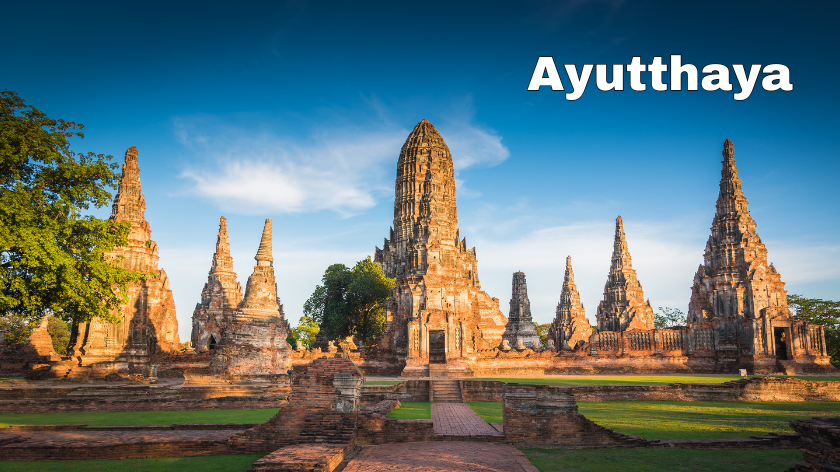
Ayutthaya
Ayutthaya stands as a powerful reminder of Thailand’s imperial past. Once one of Asia’s most influential trading cities, it was connected to Europe, China, and the Middle East. Today, towering prangs, riverside ruins, and weathered Buddha images convey both grandeur and fragility. Exploring Ayutthaya offers a tangible sense of scale and historical importance, just a short journey from Bangkok.
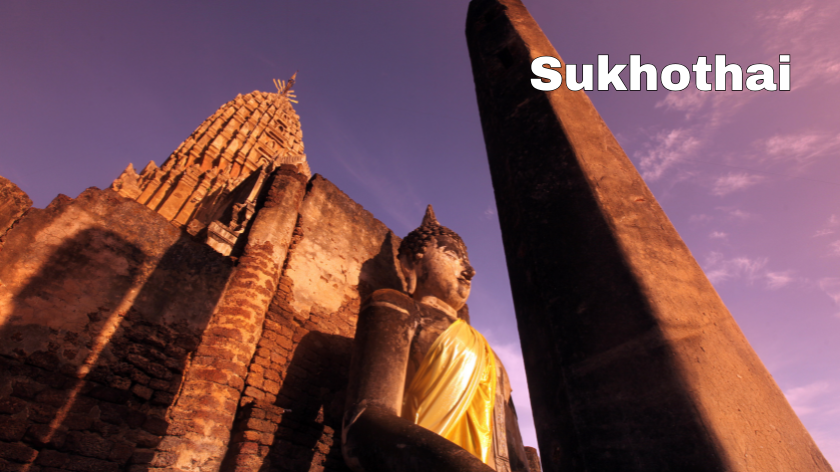
Sukhothai
Sukhothai represents the birthplace of Thai civilisation. Its historic park is defined by balance and harmony, with elegant ruins set among open lawns and reflective ponds. This is where Thai script, early religious traditions, and classical artistic forms first emerged. The atmosphere is calm and contemplative, offering a deeper understanding of Thailand’s cultural foundations.
Chiang Mai
Chiang Mai is a living cultural centre rather than a preserved relic. Within its ancient walls are hundreds of temples, traditional neighbourhoods, and festivals that continue to shape daily life. Surrounded by mountains and hill-tribe communities, the city blends heritage with creativity and a relaxed pace that has made it one of Thailand’s most enduringly popular destinations.
Tropical Nature Retreats
Away from cities and coastlines, Thailand reveals a more tranquil and immersive side. These destinations are shaped by rainforests, rivers, and mountain landscapes that encourage slower, more meaningful travel.
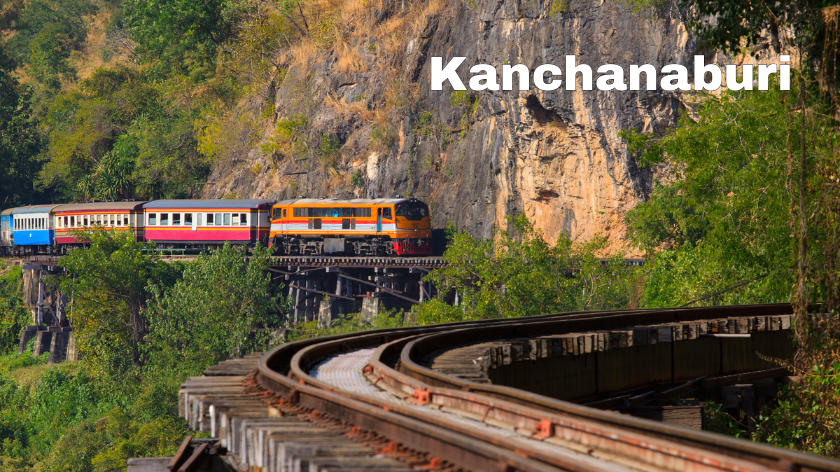
Kanchanaburi
Kanchanaburi is defined by contrast. Its wartime history, symbolised by the River Kwai, carries deep emotional significance, while the surrounding landscape offers calm and space. Waterfalls, jungle trails, caves, and quiet riverbanks create a setting ideal for reflection and exploration.
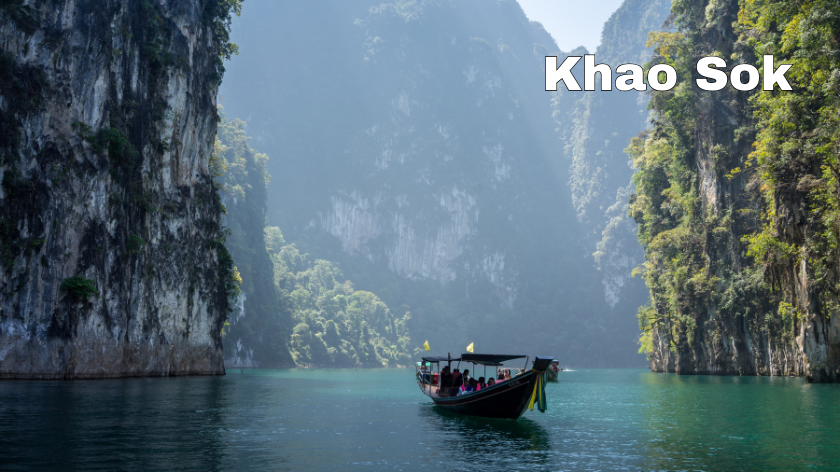
Khao Sok National Park
Khao Sok is one of Thailand’s most extraordinary natural environments. Towering limestone cliffs rise above ancient rainforest, while emerald lakes stretch between dramatic rock formations. Experiences here focus on immersion — canoeing through misty waterways, trekking beneath dense canopies, and staying in floating lodges surrounded by nature.
Chiang Rai
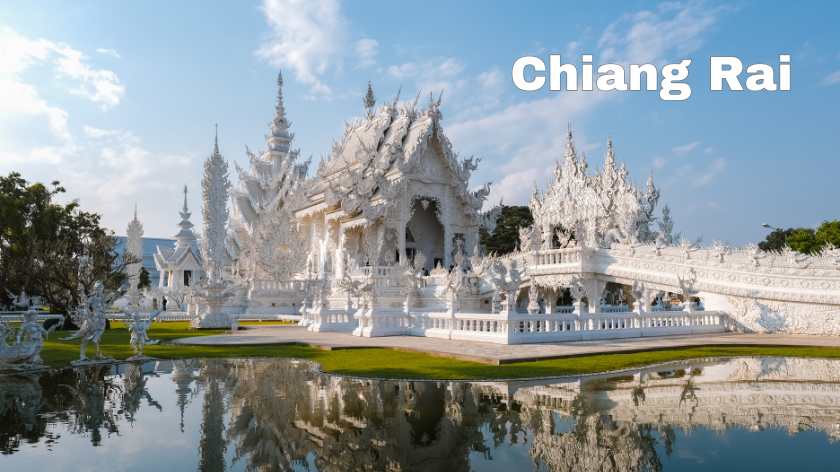
Chiang Rai offers a quieter northern perspective. Misty hills, tea plantations, and rural villages define the landscape, while contemporary temples blend spirituality with modern art. It is a destination that rewards travellers seeking authenticity, space, and a slower pace.
Island Escapes & Water Adventures
Thailand’s islands remain central to its global reputation. Warm seas, dramatic coastlines, and vibrant marine life create ideal conditions for both relaxation and adventure.
Koh Samui
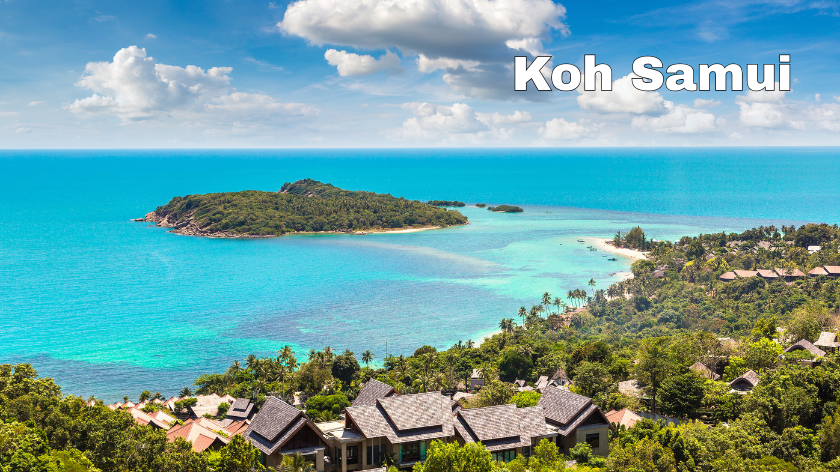
Koh Samui is known for its relaxed elegance. Palm-lined beaches, calm waters, and a strong wellness culture make it ideal for swimming, snorkelling, and rejuvenation. Inland waterfalls, temples, and viewpoints add cultural and natural depth beyond the coastline.
Phuket
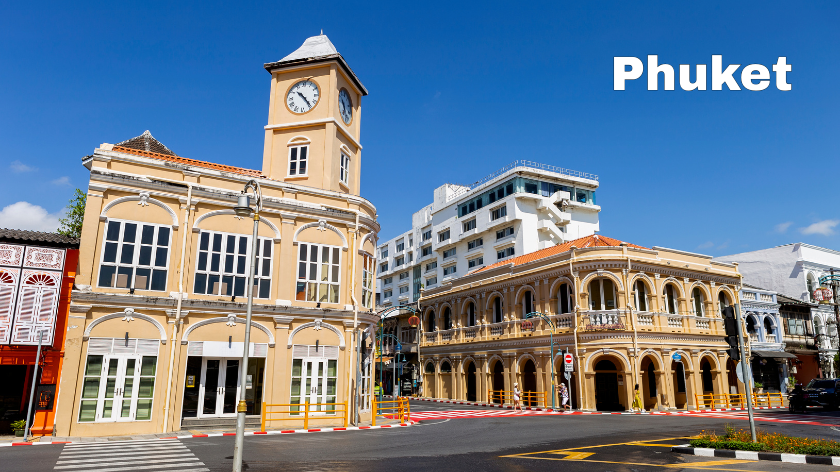
Phuket stands as Thailand’s premier island hub. Its diverse beaches and resorts are complemented by world-class diving, sailing, and island-hopping throughout the Andaman Sea. Phuket balances accessibility with adventure, appealing to both first-time visitors and experienced travellers.
Krabi
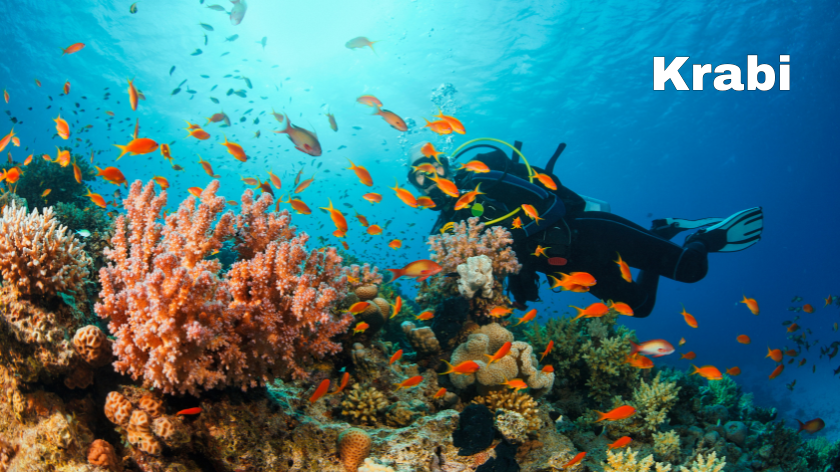
Krabi is defined by its dramatic limestone scenery. Sheer cliffs rise from turquoise waters around Railay and nearby bays, creating some of Thailand’s most iconic landscapes. Rock climbing, kayaking, snorkelling, and coastal exploration make Krabi a standout for outdoor enthusiasts.
Editorial Conclusion
What sets Thailand apart is not any single destination, but the way these places connect to form a remarkably diverse whole. Within one country, travellers can move from imperial ruins to ancient rainforests, from cultural heartlands to world-class islands — often within a single journey. Bangkok acts as the gateway, history provides context, nature restores balance, and the islands deliver escape.
Together, these destinations explain why Thailand continues to rank among the world’s most visited — and most revisited — countries. It is a place that rewards first-time exploration while revealing new layers with every return.
Reader Q&A: Planning Your Thailand Journey
Is Bangkok essential for a first visit to Thailand?
Yes. Bangkok is not only Thailand’s capital but also its main transport hub. Most international flights arrive here, and the city provides easy onward connections to every region of the country.
Which destinations are best for cultural and historical experiences?
Ayutthaya and Sukhothai offer the clearest insight into Thailand’s early history, while Chiang Mai provides a living blend of heritage, tradition, and modern culture.
Where should nature lovers focus their time?
Kanchanaburi and Khao Sok National Park are ideal for travellers seeking waterfalls, rainforest landscapes, and immersive natural experiences away from busy cities.
Which islands are best for beaches and water activities?
Koh Samui offers calm waters and a relaxed atmosphere, Phuket is ideal for island-hopping and diving, and Krabi delivers dramatic scenery and adventure sports.
How long should a first-time trip to Thailand be?
Two to three weeks allows travellers to experience Bangkok, one cultural destination, a nature retreat, and at least one island — offering a well-balanced introduction to the country.