


Above the City: Bangkok’s Rooftop Dining Scene Comes of Age
Monday, 3 August 2026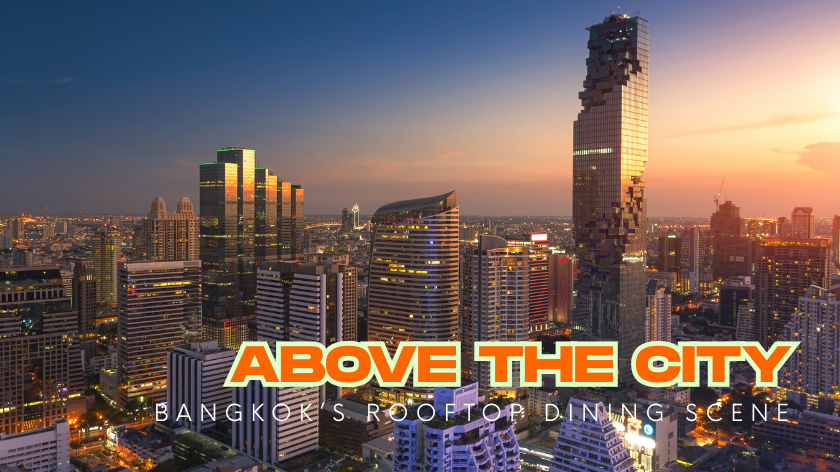
Bangkok has always been a city that reveals itself gradually. At street level, it is dense, kinetic, and unapologetically alive. But step back, rise above the traffic and neon, and a different character begins to emerge. Over the past decade, the city’s rooftops have evolved from novelty viewpoints into some of Southeast Asia’s most compelling dining destinations.
Rooftop restaurants in Bangkok are no longer defined simply by altitude. What once relied on spectacle has matured into something more considered. Today’s best venues balance cuisine, setting, and rhythm, offering experiences that feel intentional rather than performative. They are places to linger, to observe, and to understand the city from a quieter vantage point.
This evolution has quietly transformed Bangkok into one of the world’s most distinctive rooftop dining capitals.

Vertigo at Banyan Tree Bangkok
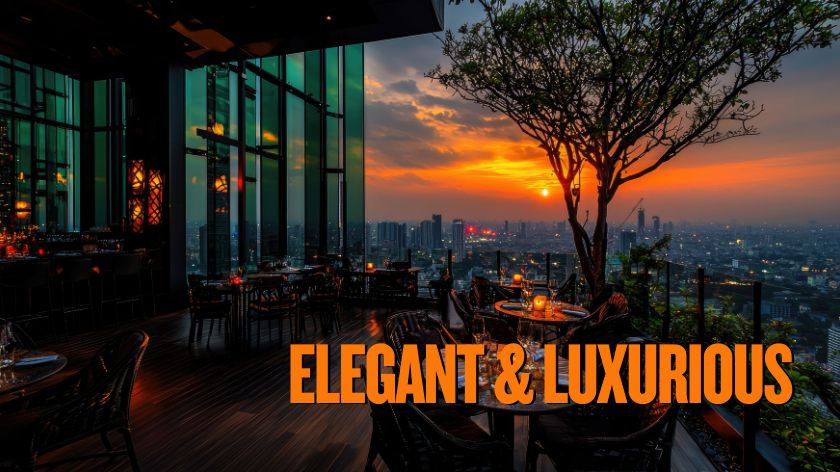
Set high above Sathorn, Vertigo remains one of Bangkok’s most enduring rooftop experiences, not because it reinvents itself, but because it resists the urge to do so. The space is deliberately restrained. Tables are spaced generously, lighting is subtle, and the skyline is left uninterrupted.
The menu follows the same philosophy. Premium cuts, fresh seafood, and confident execution without unnecessary embellishment. Dining here feels composed, particularly as the city transitions from daylight to dusk. Vertigo succeeds by understanding that the view does not need competition. It simply needs framing.
Sirocco at Lebua State Tower
Few rooftops in Bangkok are as instantly recognisable as Sirocco. Reached by a sweeping staircase that opens directly into the sky, the sense of arrival remains as memorable as ever. While its global recognition is well established, the experience itself has aged gracefully.
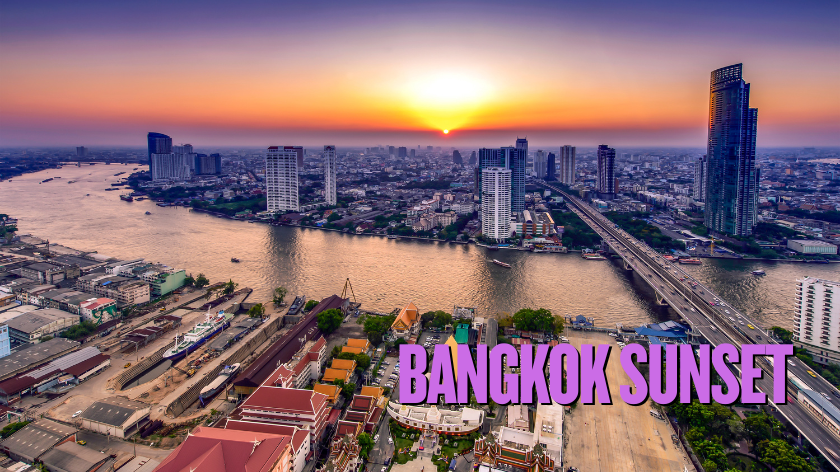
The Mediterranean-led menu is polished rather than experimental, supported by attentive service and expansive views over the Chao Phraya River. At sunset, when the city’s pace softens and the river catches the last light, Sirocco feels less like a landmark and more like a moment suspended above the city.


SEEN Restaurant & Bar Bangkok
At Avani Riverside, SEEN offers a more contemporary interpretation of rooftop dining. Designed by chef Olivier da Costa, the space blends bold interior design with panoramic river views, creating an atmosphere that feels energetic without becoming overwhelming.
The menu leans international, with Latin and Asian influences designed for sharing rather than formality. SEEN attracts a design-aware crowd and works as comfortably for dinner as it does for late evening conversation. It reflects a modern Bangkok. Confident, expressive, and increasingly global in outlook.

Above Eleven Bangkok
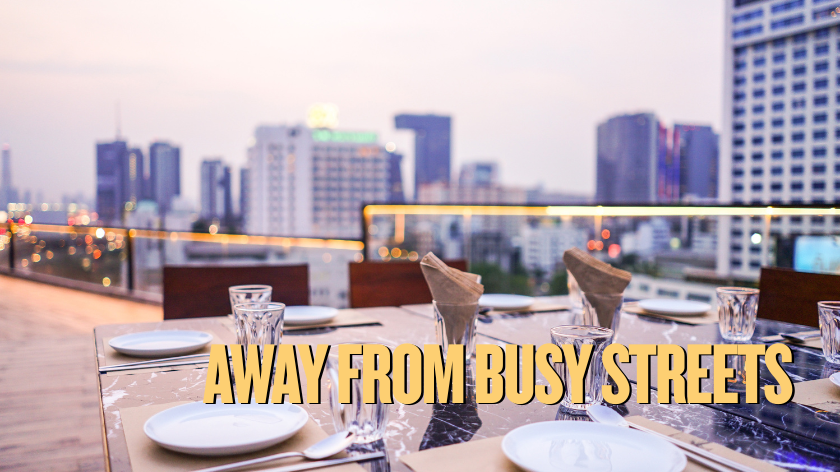
Above Eleven approaches rooftop dining with a lighter touch. Inspired by the idea of an elevated urban park, the space incorporates greenery and relaxed seating, immediately setting a different tone.
Its Nikkei menu, blending Japanese precision with Peruvian warmth, has become a defining feature rather than a novelty. The atmosphere encourages longer evenings and shared plates rather than formal dining. Above Eleven feels approachable, social, and quietly confident. A reminder that not every rooftop needs to be theatrical to be memorable.

Nobu Bangkok
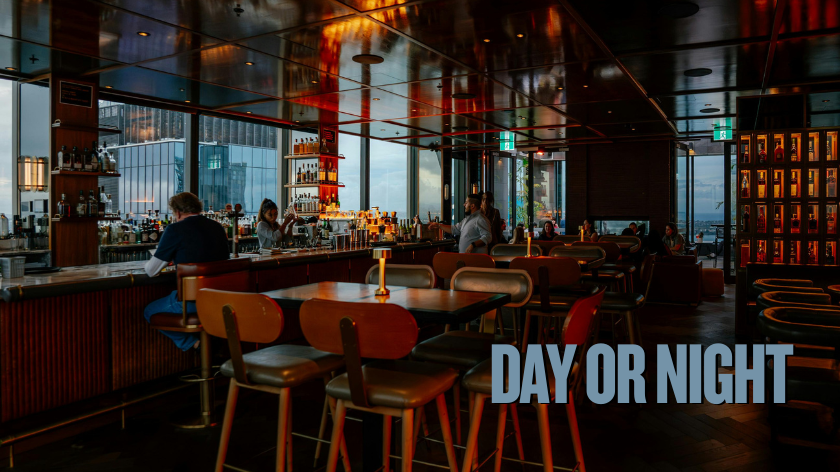
One of the most significant recent additions to Bangkok’s skyline, Nobu brings international recognition to a city already rich in culinary credibility. Located high above the Empire Tower, the restaurant balances brand familiarity with a strong sense of place.
The menu remains true to Nobu’s Japanese-Peruvian identity, precise, refined, and recognisable. What distinguishes the Bangkok location is scale. The views are expansive, stretching across the city in every direction, reinforcing the sense that Bangkok is no longer simply hosting global dining brands, but confidently matching them.
Seeing Bangkok from Above
Bangkok’s rooftop dining scene has reached a point of quiet assurance. Height alone is no longer enough. The most compelling venues succeed because they offer cohesion between location, menu, service, and atmosphere.
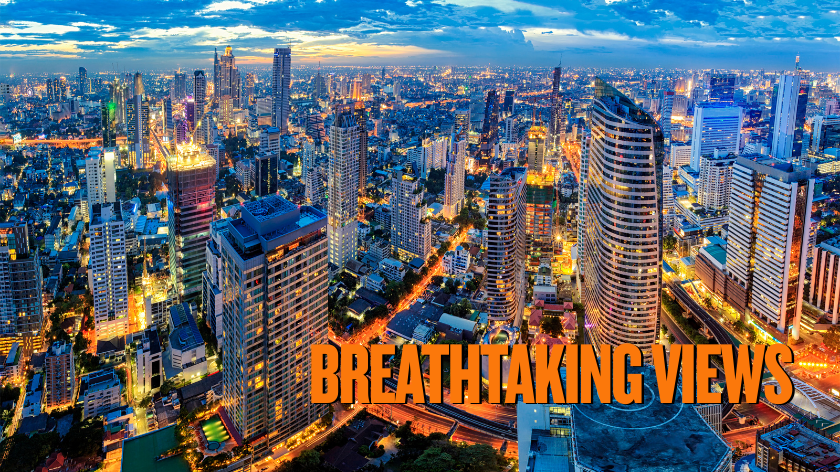
Whether overlooking the river, the dense city grid, or the wider skyline, these rooftops provide more than a place to dine. They offer perspective. Moments where the city slows, where its complexity becomes legible, and where Bangkok reveals itself not as chaotic, but as layered and deeply considered.
For residents and visitors alike, rooftop dining has become one of the most revealing ways to understand the city. Not from the pavement, but from above.