


Ownership Options for Foreigners in Thailand
วันพุธที่ 16 ตุลาคม พ.ศ. 2567
Quick Questions Foreign Buyers Ask About Property Ownership in Thailand
Why can't foreigners own land directly in Thailand?
Thai law generally prohibits foreign nationals from owning land directly in their own name. However, there are several legal structures available that may allow foreigners to live in, use, or benefit from property ownership, including leasehold agreements, usufruct rights, superficies rights, and, in certain circumstances, company ownership structures. Professional legal advice is always essential before proceeding with any purchase.
Can foreigners legally own a condominium in Thailand?
Yes. Foreigners can legally own condominium units in their own name under Thailand's Foreign Freehold ownership laws, provided that foreign ownership within the building does not exceed the statutory quota. Freehold condominiums remain one of the safest and most straightforward property ownership options for international buyers in Pattaya and throughout Thailand.
What ownership options are available if I want to buy a house in Pattaya?
While foreigners cannot own land directly, several alternatives exist depending on individual circumstances and long-term goals. These may include leasehold arrangements, ownership through a Thai spouse, properly structured company ownership in specific situations, or legal rights such as usufruct and superficies agreements. Choosing the right option requires careful consideration of legal, financial, and lifestyle factors.
Choosing the right ownership structure is one of the most important decisions that foreign buyers make when investing in property in Thailand. Understanding the advantages, limitations, and legal requirements of each option can help protect your investment and provide greater confidence throughout the purchasing process.
Thailand continues to attract international buyers thanks to its lifestyle, competitive property prices, established expat communities, and strong long-term investment potential. Pattaya, in particular, remains one of the country's most popular destinations for retirees, investors, families, and remote workers seeking both quality of life and attractive property opportunities.
However, Thailand's property laws differ significantly from those found in many Western countries. Foreign ownership regulations, land laws, lease structures, and legal protections all require careful consideration before committing to a purchase.
Whether you are buying your first condominium, investing in a rental property, relocating with your family, or planning for retirement, understanding the ownership options available to foreigners is an essential part of making informed decisions.
This guide explains the most common ownership structures used by international buyers in Thailand and provides practical insights to help you determine which option may best suit your personal circumstances and long-term objectives.
Understanding Property Ownership for Foreigners in Thailand

Thailand offers several legal pathways for foreigners to purchase, lease, or benefit from real estate, but the rules surrounding ownership can sometimes appear complex to first-time buyers.
The most straightforward option for many international investors remains foreign freehold condominium ownership, which allows eligible foreigners to hold condominium units in their own name. Other ownership structures, including leasehold agreements, usufruct rights, superficies arrangements, and ownership through a Thai spouse, may also be suitable depending on individual circumstances.
Each option carries its own advantages, limitations, legal protections, and financial considerations. Factors such as your long-term plans, family situation, investment goals, and intended use of the property should all influence the ownership structure you choose.
For buyers who are still exploring the Pattaya market, our Foreign Buyers Guide to Pattaya Property provides additional guidance on neighbourhoods, investment considerations, and the purchasing process.
Taking the time to understand your options at the outset can help avoid costly mistakes and ensure that your investment is structured in a way that supports both your current needs and future objectives.
Foreign Freehold Condominium Ownership
For most international buyers, foreign freehold condominium ownership remains the simplest, safest, and most secure method of owning property in Thailand.
Under Thai law, foreigners can legally own condominium units in their own name, provided that foreign ownership within the development does not exceed 49% of the total saleable floor area. This structure gives buyers full ownership rights over their unit and allows them to sell, transfer, or pass the property on to heirs in accordance with Thai law.
Foreign freehold ownership is particularly popular in Pattaya due to the city's extensive selection of condominium developments, ranging from affordable investment properties and beachfront apartments to luxury residences and family-friendly communities.
There are, however, several important requirements that buyers should understand:
• Purchase funds must typically be transferred into Thailand from overseas in foreign currency and correctly documented for the transaction.
• Buyers should ensure that the condominium's foreign ownership quota has not already been filled before proceeding with a purchase.
• Legal due diligence remains essential, including checks on title deeds, common area fees, developer obligations, and any outstanding liabilities associated with the property.
For many retirees, investors, and international buyers, foreign freehold condominiums provide the ideal combination of security, flexibility, and long-term investment potential within the Thai property market.
Buyers considering condominium ownership in Pattaya may also find our Pattaya Condo Guide 2026 helpful, with detailed information on the city's most popular locations, lifestyle differences, and investment opportunities.
Leasehold Property Ownership in Thailand
Leasehold ownership provides another popular option for foreigners who wish to enjoy houses, villas, or land-based properties in Thailand without directly owning the underlying land.
Under a standard leasehold arrangement, foreigners can legally lease land or property for an initial period of up to 30 years. Some agreements may include renewal clauses, although these should always be carefully reviewed by an independent lawyer, as renewals are not automatically guaranteed under Thai law.
Leasehold structures are commonly used for:
• Private pool villas and family homes in East Pattaya, Huay Yai, Na Jomtien, and Bang Saray.
• Retirement properties intended for long-term personal use.
• Luxury developments that offer professionally managed leasehold arrangements for international buyers.
When considering a leasehold purchase, buyers should pay particular attention to:
• The exact terms and conditions contained within the lease agreement.
• Registration of the lease at the Land Office for additional legal protection.
• Rights relating to property improvements, inheritance, and future transfers.
• Ongoing maintenance fees, community obligations, and any restrictions imposed by the development.
Leasehold ownership can offer excellent value and flexibility when properly structured, but professional legal advice is essential to ensure that your interests remain fully protected throughout the term of the agreement.
Many international buyers choosing leasehold arrangements for family homes and private villas also explore the growing residential communities across East Pattaya, Huay Yai, Na Jomtien, and Bang Saray, where larger properties and quieter lifestyles are particularly popular.
Thai Company Ownership Structures
In certain circumstances, foreigners may acquire property through a properly established Thai company. However, this approach requires careful legal guidance and should only be considered where there is a genuine commercial purpose and full compliance with Thai law.
Historically, some buyers used nominee company structures purely to facilitate land ownership, but such arrangements are not permitted and can create significant legal risks. Modern buyers should always seek independent legal advice before considering any form of company ownership.
Legitimate company ownership structures may still be appropriate in specific situations, including:
• Businesses purchasing commercial premises or investment assets.
• Companies involved in property development or hospitality operations.
• Investors with genuine commercial activities that require land ownership as part of their business model.
For private residential buyers, alternative ownership methods such as foreign freehold condominiums, leasehold agreements, usufruct rights, or ownership through a Thai spouse may often provide a more suitable and straightforward solution.
Regardless of the structure chosen, professional legal due diligence is essential to ensure compliance with Thai regulations and to safeguard your long-term investment objectives.
Buying Property Through a Thai Spouse
Foreigners who are married to a Thai national may choose to purchase property through their spouse, but it is important to understand the legal implications before proceeding.
Under Thai law, land can be registered in the Thai spouse's name, provided that the foreign partner formally confirms that the funds used for the purchase are their spouse's personal property and not jointly owned marital assets. This declaration is typically completed at the Land Office during the transfer process.
While many successful property purchases are structured this way, buyers should carefully consider both the legal and personal aspects involved. Clear agreements, professional advice, and open communication are essential to protect the interests of all parties.
Important considerations include:
• Understanding who legally owns the land and property.
• Discussing inheritance planning and long-term family objectives.
• Seeking independent legal advice before signing any declarations or agreements.
• Considering whether additional legal protections, such as usufruct or superficies rights, may be appropriate.
For some families, purchasing through a Thai spouse provides a practical long-term solution, particularly when the property is intended as a permanent family home. However, every situation is unique and should be carefully reviewed on an individual basis.
Usufruct and Superficies Rights Explained
In addition to freehold and leasehold ownership structures, Thai law also provides certain legal rights that may offer additional protection and flexibility for foreign buyers.
Two of the most commonly discussed arrangements are usufruct rights and superficies rights.
Usufruct Rights
A usufruct grants an individual the legal right to occupy, use, and benefit from a property owned by another person for a specified period or for their lifetime. Although the foreigner does not own the land itself, they may legally reside on and enjoy the property under the terms of the agreement.
Usufruct arrangements are often considered by:
• Foreigners married to Thai nationals.
• Retirees seeking long-term residential security.
• Families looking for additional legal protection over jointly used property.
A registered usufruct can provide peace of mind, but professional legal advice is essential to ensure that the agreement properly reflects the intentions of all parties involved.
Superficies Rights
A superficies grants an individual the legal right to own buildings or structures constructed on land owned by another person.
This means that while the land itself remains under separate ownership, the foreigner may legally own the house or improvements built upon it. Superficies agreements are commonly used alongside leasehold arrangements or ownership through a Thai spouse.
These rights can offer valuable long-term protection, particularly for buyers investing in custom-built homes or significant property improvements.
As with any ownership structure, specialist legal guidance should always be obtained before entering into a superficies agreement.
Why Legal Advice and Due Diligence Matter
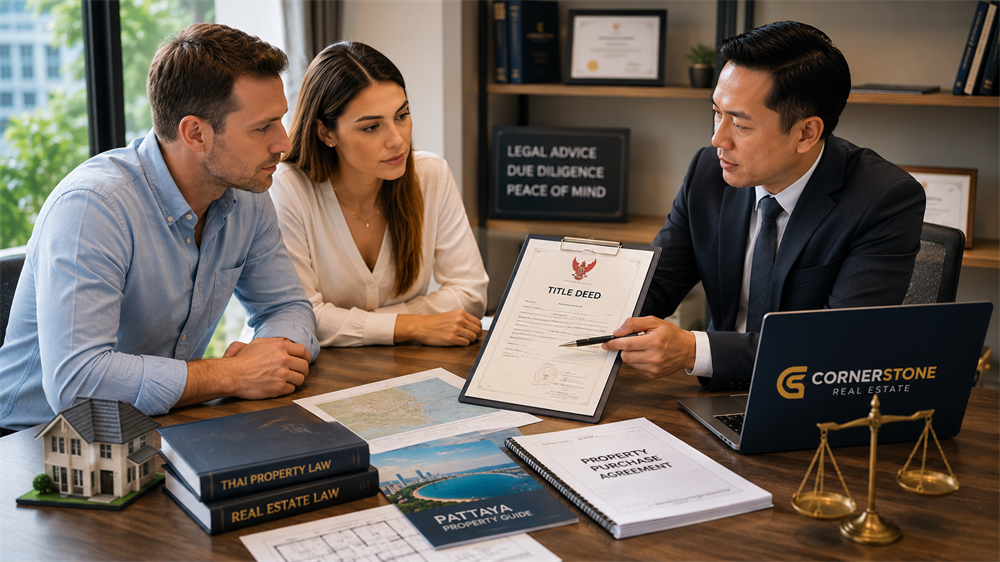
Regardless of the ownership structure you choose, professional legal advice and thorough due diligence remain essential components of any property transaction in Thailand.
Property ownership laws, title deeds, zoning regulations, foreign ownership restrictions, and contractual obligations can vary significantly depending on the type of property and its location. A comprehensive legal review helps ensure that buyers fully understand both the opportunities and potential risks involved.
Key areas that should always be investigated include:
• Verification of title deeds and ownership history.
• Outstanding debts, encumbrances, or legal claims against the property.
• Building permits, development approvals, and zoning regulations.
• Lease agreements, renewal clauses, and inheritance considerations.
• Foreign ownership quotas for condominium developments.
Independent legal representation is strongly recommended for all foreign buyers, regardless of their experience or familiarity with the Thai property market.
Professional due diligence not only protects your investment but also provides confidence and peace of mind throughout the purchasing process, helping to avoid costly mistakes and unexpected complications in the future.
Choosing the Right Ownership Structure for Your Goals
There is no single ownership solution that suits every foreign buyer in Thailand. The most appropriate structure will depend on your personal circumstances, investment objectives, family situation, and long-term plans for the property.
For many international buyers, foreign freehold condominium ownership remains the most straightforward and secure option, offering direct ownership rights and a clear legal framework. Others may find that leasehold arrangements, usufruct rights, superficies agreements, or ownership through a Thai spouse better align with their individual needs.
Before making any decision, it is important to consider:
• How long do you intend to own or use the property?
• Is the property primarily for personal use, retirement, rental income, or long-term investment?
• Do you need inheritance protection or succession planning for family members?
• Would a condominium, villa, or land-based property better suit your lifestyle and financial goals?
• Have you received independent legal advice regarding the ownership structure you are considering?
Taking the time to understand the advantages and limitations of each option can help you make informed decisions and avoid unnecessary complications in the future.
If you are still exploring the Pattaya property market, our Thinking About Buying Property in Pattaya guide provides broader advice on the buying process, local market conditions, and the key considerations that every purchaser should understand.
Contact Cornerstone Real Estate


Understanding foreign ownership regulations is one of the most important parts of buying property in Thailand. Whether you are purchasing a freehold condominium, considering a leasehold villa, or exploring alternative legal structures, obtaining professional advice can help you make informed and confident decisions.
Since 2005, Cornerstone Real Estate has been helping international buyers navigate the Pattaya property market with honest guidance, transparent communication, and a commitment to putting clients first. Our multilingual team works closely with experienced legal professionals to ensure that buyers understand every stage of the purchasing process before making any commitments.
Since 2005, Cornerstone Real Estate has earned 160+ verified 5-star reviews with an average rating of 4.8/5, reflecting a long-standing commitment to honest advice, professional service, and exceptional client care.
🏆 Award-Winning Pattaya Real Estate Agency – Recognised by Nestopa Thailand.
Whether you are planning your retirement, investing for rental income, relocating your family, or buying your first property in Thailand, contact our team today and discover why so many international buyers continue to trust Cornerstone Real Estate.
📲 WhatsApp: +66807945904
💬 LINE ID: @cornerstonepattaya
📞 +66 (0)38 411250
📧 info@cornerstone.co.th
🌐 www.cornerstone.co.th
Cornerstone Real Estate — Doing Things The Right Way.